March 16, 2026
Oil prices climb, clouding the mortgage rate outlook
This week, existing-home sales rise, single-family home production falls, and how oil impacts mortgage rates.
Fuel up! 🚀


Bizz Buzz
Existing-home sales edge higher in February
Existing-home sales surpassed expectations by rising 1.7% in February from the previous month, supported by gradually improving inventory and mortgage rates. While sales increased month-over-month, they were still down 1.4% compared to February of last year.
The median existing-home price rose 0.3% year-over-year and came in at $398,000, marking the 32nd consecutive month of annual price increases. Inventory climbed to 1.29 million units, representing close to a 4-month supply.
Housing starts rise, except for single-family
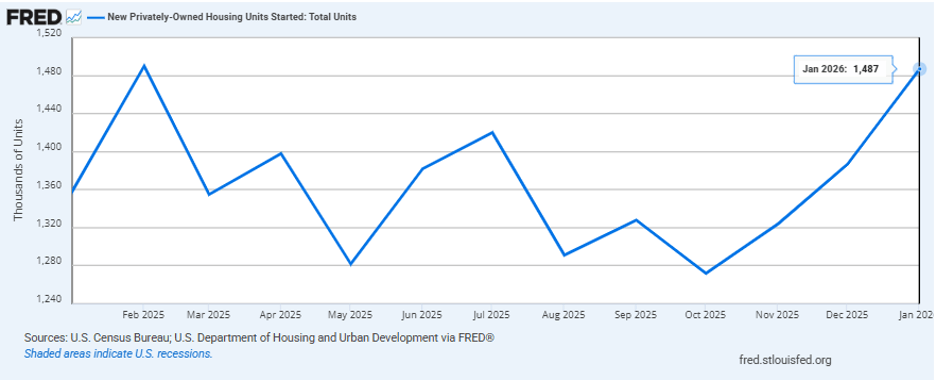
In January, housing starts rose 7.2% from December and 9.5% year-over-year to 1.487 million annualized units, driven by a surge in multifamily construction. Single-family starts declined month-over-month by nearly 3%.
Regionally, the South continued to dominate activity, accounting for over half of the total starts. The Northeast saw a strong increase, while the Midwest and West saw slight pullbacks.

Caffeinated Trends
The Consumer Price Index (CPI) report for February showed that the 12-month inflation rate was 2.4%, with prices rising 0.3% month-over-month. The report came in right in line with expectations and indicates that inflation continues to stabilize near the Federal Reserve’s 2% target.

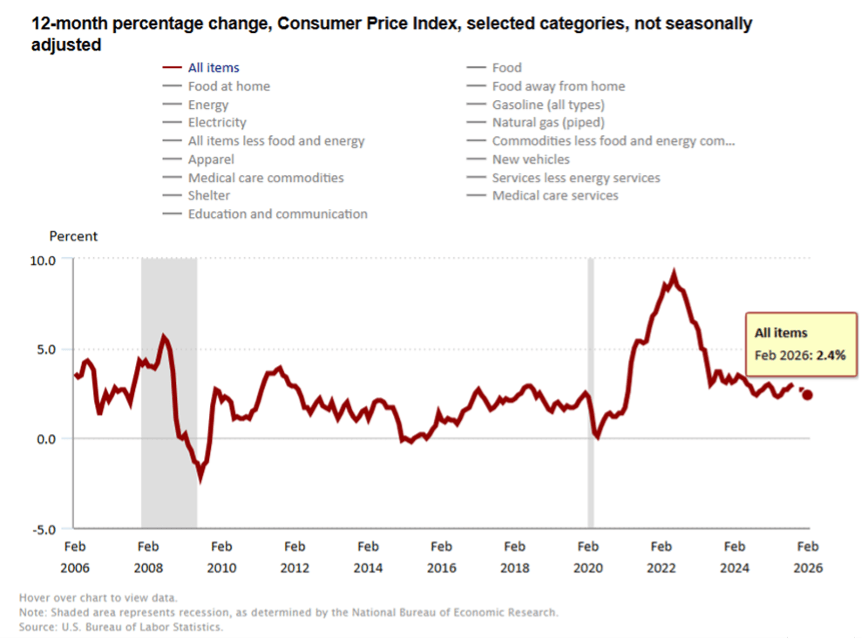
The report notes that shelter, food, and energy were the primary contributors to the +0.3% monthly CPI increase.
Month-over-month changes:
- Shelter +0.2%
- Food +0.4%
- Energy +0.6% (Within energy, fuel oil was up 11.1% from January)
Overall, the report is a positive sign that inflation continues to moderate and should be supportive for lower mortgage rates. However, the report is being overshadowed by rising geopolitical tensions in Iran, which have pushed oil prices (and mortgage rates) higher.
With disruptions to oil production and global shipping routes, the price of oil has moved higher. While fuel itself is only a small part of the overall CPI calculation, higher energy costs ripple through the entire economy, including shipping, manufacturing, and travel. As energy prices rise, the cost of producing and transporting goods and services increases, putting upward pressure on the overall inflation number.
Higher inflation expectations mean investors demand higher returns to purchase bonds, and the likelihood of future rate cuts from the Federal Reserve decreases. The number of rate cuts projected in 2026 has dropped from 2 – 3 coming into the year to roughly 0 – 2 today. Additionally, the 10-year Treasury yield, which mortgage rates closely track, is up more than 20 basis points since the beginning of March.

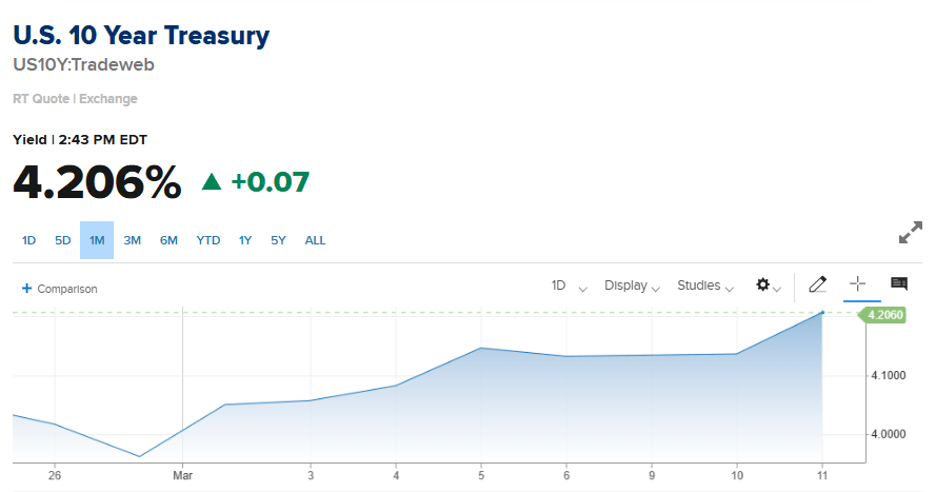
Uncertainty is the theme in markets right now, so volatility should be expected. The recent rise in oil prices has yet to be reflected in the economic data, meaning higher inflation readings in the coming months. The good news is that if greater clarity emerges, it could ease inflation expectations and bring mortgage rates back down toward the multiyear lows they briefly touched earlier this year.
This week’s puzzle gets 4 Rockets out of 5.
4 Rockets
This article is for informational purposes only, and is not a substitute for professional advice from a medical provider, licensed attorney, financial advisor, or tax professional. Consumers should independently verify any service mentioned will meet their needs.